How to Vet a Utility Civil Contractor Before You Award the Work
Awarding civil scopes on a transmission, distribution, or substation project is a risk decision. The low number on the bid tab tells you almost nothing about whether the crew that shows up can drill in caliche, work safely near energized facilities, or keep a corridor open after a monsoon. Here is what actually predicts performance, and how to check it before you sign.
Who is actually going to be on your project?
The most useful question you can ask a contractor is who performs the work. Some outfits win the bid and then assemble a chain of subcontractors, which means the accountability you negotiated does not follow the work into the field.
Alpine Drilling and Construction LLC self performs its scopes, from access construction and drilling through foundations, backfill, and final site restoration. One contractor is answerable for the schedule, the safety record, and the condition the corridor is left in.
Crew training and qualifications
Utility civil work is not general dirt work. Crews need to understand clearances, grounding, energized facility protocols, and the difference between a soil report and the ground actually coming out of the hole.
Look for union trained crews working under negotiated standards for wages, safety, and qualifications. That structure exists precisely so the person operating the drill or setting a pile has verifiable training behind them rather than on the job improvisation. Our crews bring more than 35 years of combined utility industry experience to transmission, distribution, and substation projects.
Certifications that mean something
Certifications are only useful when they map to the scope you are buying. A few worth confirming:
- Woman owned small business status, including WBENC and WOSB certification, when supplier diversity commitments apply to your program.
- Manufacturer or installer certification for specialty foundations. Alpine holds a Pileworks helical pile installer certification, which matters because pile capacity depends on correct torque, depth, and alignment. A pile installed wrong can look perfectly acceptable while underperforming badly.
- Contractor licensing in every state where the work will happen. Alpine is licensed in Arizona, Nevada, Oregon, Idaho, Utah, and California.
Safety culture, not just a safety binder
Every contractor will hand you a safety manual. What you want to know is whether a crew is empowered to stop work when conditions change. Ask how soil assessments are handled, who the competent person is, what protective systems are used, and how near miss reporting works. A contractor that answers those questions specifically is telling you the culture is real.
Difficult access is a specialty, not an excuse
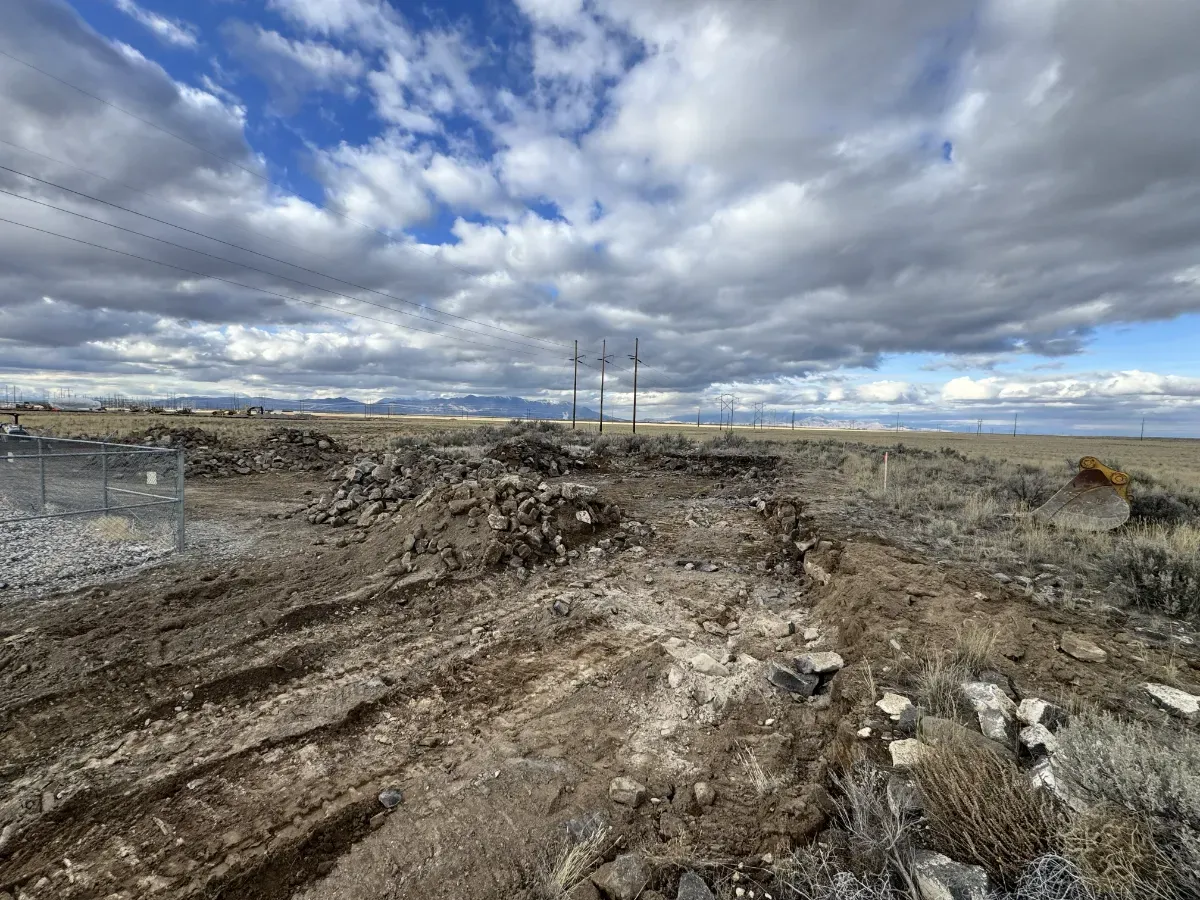
Remote corridors, steep terrain, rock, congested easements, and sensitive environments are where schedules get lost. Ask for examples of work in conditions like yours, and ask what the contractor did when the ground did not match the report. The answer will tell you more than any reference letter.
Talk to us about your next package
Alpine Drilling and Construction LLC is a woman owned heavy civil contractor for the utility industry, headquartered in Camp Verde, Arizona and working across the country on transmission, distribution, and substation projects. Send your plans and specifications to bids@alpinedrillingllc.com and you will get a straight answer on scope, access, and schedule.